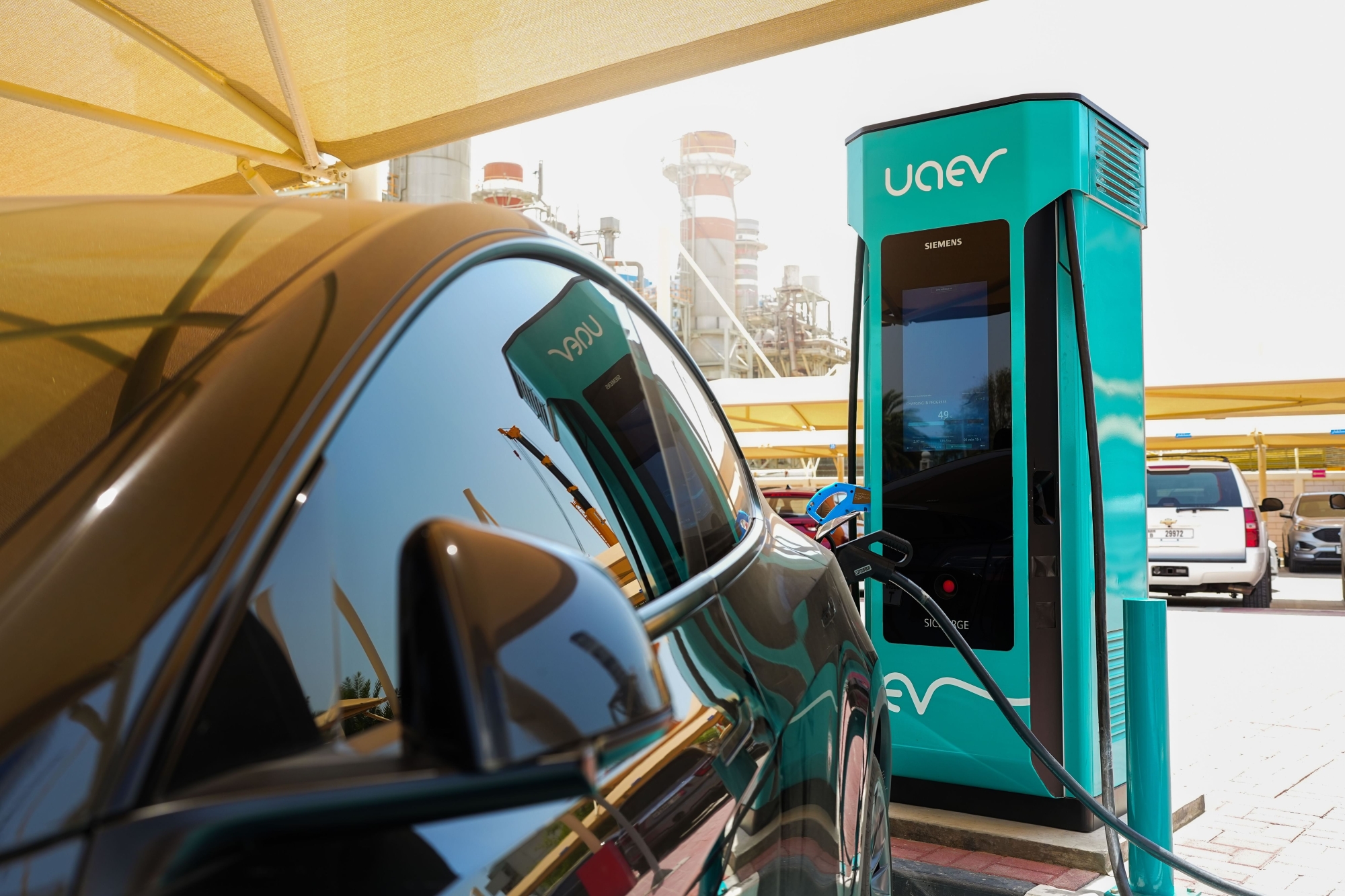
The UAE is making yet another leap toward a greener future with the recent announcement of new electric vehicle (EV) tariffs, set to take effect in January 2025. This progressive step shows the nation’s commitment to bolstering sustainable mobility and supporting its strategic vision for energy transformation. These freshly introduced EV tariffs aim to promote electric vehicle adoption while ensuring a streamlined approach to charging infrastructure development.
What Are the New EV Tariffs in the UAE?
The new EV tariff system, which was announced by UAEV (United Arab Emirates Vehicles Authority), is designed to provide clarity and incentivize the use of more environmentally friendly transportation. While detailed pricing structures are yet to be fully disclosed, authorities have confirmed that these tariffs will be applied uniformly across public and private EV charging stations in the UAE.
Specifically, these tariffs are planned to be introduced as part of a broader initiative to encourage businesses, residents, and car manufacturers to pivot to electric mobility. By aligning EV ownership with long-term cost savings and environmental benefits, the tariffs aim to make EV adoption an even more attractive choice for customers.

EV tariffs are expected to cover key charging rates, peak-hour costs, and possible preferential pricing for specific demographics, including fleet operators and government transport services. In doing so, the new rates aim to balance profitability for stakeholders while incentivizing wider EV usage.
Why Are EV Tariffs Important for Sustainable Mobility?
The introduction of new EV tariffs aligns with multiple national goals, including the UAE’s burgeoning commitment to achieving net-zero emissions by 2050. With the government actively investing in renewable energy and transportation solutions, this move complements the deployment of advanced EV charging infrastructures and subsidy programs that make EV adoption more feasible for residents and businesses alike.
Encouraging Green Investments
Structured tariff systems reassure investors in renewable technologies and charging station development. Private companies pitching in to build charging ecosystems want a fair return on investment. Well-defined tariffs demonstrate a strong government endorsement, making it easier for these stakeholders to invest confidently in the future of EVs.
Reducing Carbon Footprint
By encouraging a shift away from conventional internal combustion engine vehicles toward EVs, these tariffs will profoundly reduce CO2 emissions. With road transport being one of the leading contributors to carbon emissions globally, the UAE’s proactive approach serves as a model for other nations working toward similar climate change goals.
Supporting Energy Transition Goals
As the UAE focuses on diversifying its energy mix and reducing its reliance on fossil fuels, EVs offer a renewable-friendly alternative. The tariff system complements efforts to channel renewable energy sources (like solar power) into vehicle charging stations. This directly supports the nation’s long-term energy transition mission.
How Will This Affect EV Owners and Businesses?
The launch of an organized EV tariff structure brings benefits for both individual car owners and businesses within the UAE. Below is a look at how these stakeholders could be affected:
- EV Owners: EV users are likely to see competitive tariffs that make their vehicles affordable in the long term. Predictable energy costs will simplify budget planning, increasing EV appeal.
- Fleet Operators: Businesses managing ride-hailing, delivery, or public transport fleets might receive cost-effective incentives, positioning EV adoption as a smart business choice.
- Charging Point Operators: Operators of EV charging networks will gain standardized cost control, allowing them to expand while maintaining profitability.
Additionally, individuals who already own EVs can expect digital tools, such as apps for real-time tariff monitoring and billing options, to be integrated into the system. These tools ensure better user convenience and accessibility.
What Does This Mean for the Future of EV Growth in the UAE?
The UAE’s move to solidify a transparent and consistent roadmap for EV tariffs marks a significant acceleration toward electrified transport. By January 2025, we can anticipate new developments in EV charging station rollouts, particularly in urban hubs, highways, and residential communities. This will improve charging availability and convenience for drivers.
Further, the tariff system may inspire the introduction of additional policies promoting EV adoption, such as tax cuts, free parking for EVs, or subsidies for purchasing electric cars. Current projections suggest double-digit growth in EV sales and charging infrastructure installation in the coming years.
Global Implications
The UAE’s efforts to pioneer sustainable mobility could influence its neighboring countries in the GCC, many of which are also exploring green energy solutions. By setting a benchmark, the UAE is asserting itself as a global leader in tackling climate change through actionable policies.
International manufacturers of electric vehicles and components could also find an increasingly attractive market within the UAE due to predictable cost structures and expanding consumer interest.
How UAE Residents Can Prepare for the EV Transition
As these tariffs come into effect, UAE residents have ample time to explore their options for transitioning to EV ownership. Anyone contemplating buying an EV should start factoring in the potential savings from lower operational and maintenance costs compared to gasoline vehicles.
Here are a few steps residents can take:
- Research EV Models: Look into different electric vehicle models that match your driving habits and lifestyle.
- Understand Charging Needs: Gain familiarity with the various types of EV chargers (such as slow, fast, and ultra-fast chargers).
- Track Tariff Announcements: Stay updated on official tariff releases to gauge how charging costs might impact your monthly expenses.
Conclusion
The UAE’s introduction of EV tariffs in January 2025 is a monumental step in achieving a sustainable, greener future. With its emphasis on reducing carbon emissions and bolstering infrastructure, this initiative ensures that both individuals and industries can confidently embrace electric mobility. As the transition unfolds, the UAE is not just adopting technology but also charting an eco-conscious path for other nations to follow.
Tags: UAE EV tariffs, sustainable mobility, electric vehicles UAE, renewable energy UAE, EV adoption UAE