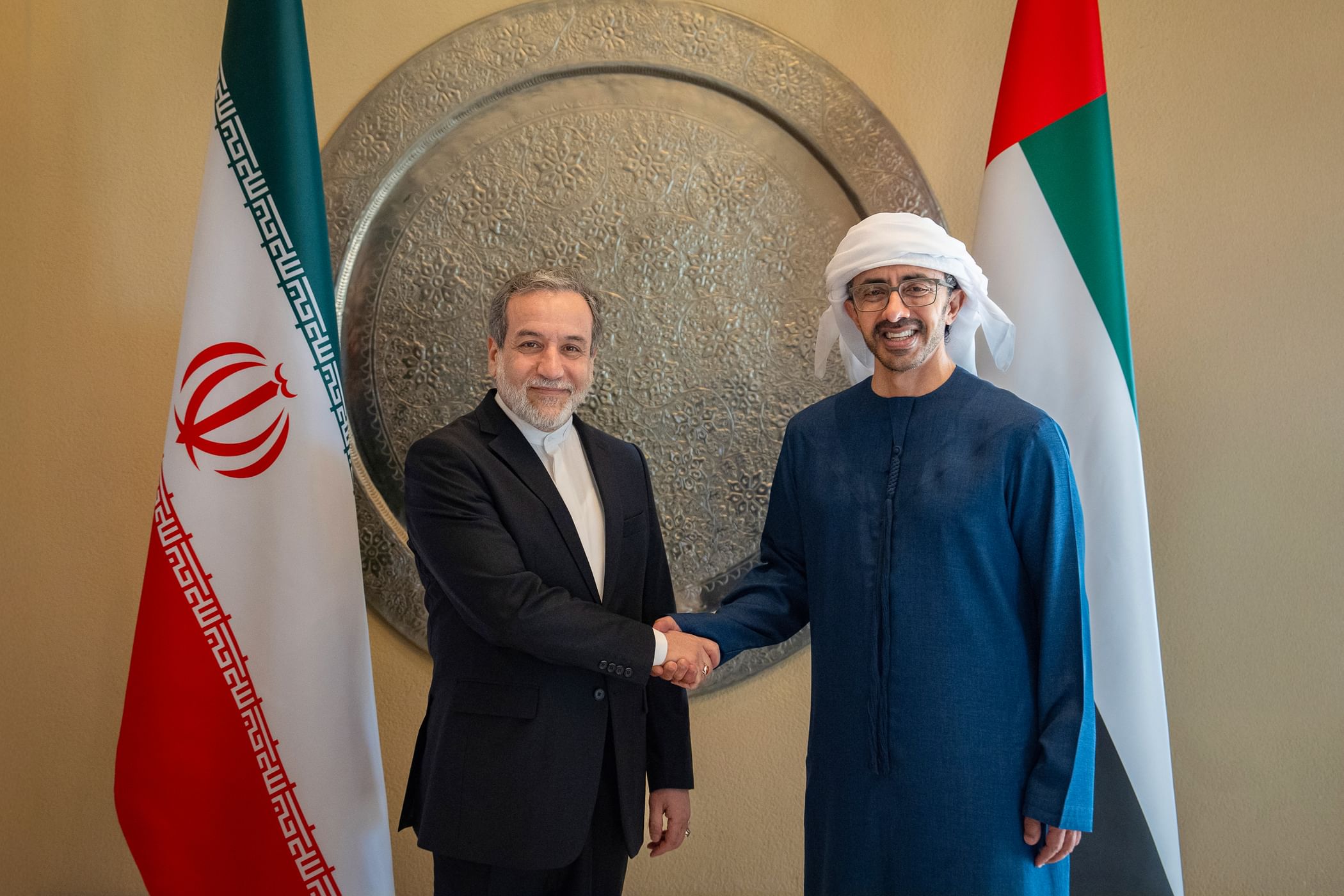
The United Arab Emirates (UAE) has taken another significant step in strengthening its diplomatic ties with Iran. In a groundbreaking meeting, UAE Minister of Foreign Affairs, Sheikh Abdullah bin Zayed Al Nahyan, hosted Iran’s Foreign Minister, Hossein Amir-Abdollahian, marking a vital moment in the evolving relationship between the two neighboring countries in a geopolitically critical region.
Building Bridges: The Importance of UAE-Iran Diplomacy
The UAE and Iran have a complex yet increasingly cooperative relationship. This meeting underscores the UAE’s strategy to maintain peaceful coexistence and foster long-term cooperation in the Gulf. Recent years have seen both nations prioritize dialogue over discord, recognizing the importance of mutual collaboration for regional stability.
Sheikh Abdullah bin Zayed’s discussions with the Iranian Minister covered a range of critical issues, from enhancing economic partnerships to addressing regional security concerns. The conversation emphasized the necessity of maintaining open channels of communication, a strategy that aligns with the UAE’s vision of becoming a hub for diplomacy and global collaboration.

Strategic Themes of the Discussion
The meeting focused on three major themes that reflect both nations’ priorities in the current geopolitical climate:
1. Economic Collaboration
One of the major highlights of the meeting was the emphasis on strengthening UAE-Iran economic ties. They explored opportunities to boost trade and investment while also identifying sectors that could benefit from joint economic ventures. Considering Iran’s crucial geographic location and the UAE’s leadership in international trade, the enhanced partnership has tremendous potential for mutual growth.
2. Regional Stability and Security
Regional security was a central topic amid ongoing tensions in the Middle East. The UAE reiterated its commitment to fostering peace and stability in the Gulf while leveraging its role as a mediator. This collaborative approach serves as a reminder of the growing need for unity among Gulf nations to address shared challenges such as maritime security, climate change, and energy sustainability.
3. Cultural and People-to-People Exchanges
A less-discussed yet equally important aspect of the meeting was boosting cultural diplomacy. Both nations expressed interest in fostering people-to-people connections through educational collaborations, cultural exchanges, and tourism development. Such initiatives have the potential to reshape public perceptions, laying the groundwork for a stronger bilateral relationship in the years ahead.
Why This Meeting Matters Globally
This UAE-Iran diplomatic engagement carries far-reaching implications for the region and beyond. The Middle East has long been a focal point for international powers due to its economic resources and strategic location. By showing a willingness to engage with Iran, the UAE sends a clear signal to the global community: diplomacy and cooperation are the preferred paths for resolving complex geopolitical issues.
For other Gulf nations, this meeting serves as a blueprint for proactive engagement. The UAE’s balanced foreign policy approach underscores the importance of inclusivity, encouraging joint dialogues even in the face of political and historical challenges.
What Lies Ahead for UAE-Iran Relations?
The meeting between Sheikh Abdullah bin Zayed and Hossein Amir-Abdollahian suggests the start of a new chapter in UAE-Iran relations. While challenges remain, both countries seem committed to charting a course of mutual respect and cooperation. Key areas to watch include:
- The growth of bilateral trade and investment opportunities.
- Closer alignment on Gulf security initiatives, such as anti-smuggling operations and maritime security in the Strait of Hormuz.
- Potential collaborative efforts on renewable energy projects, leveraging the UAE’s expertise in technology and Iran’s untapped resources.
- Cross-cultural programs that increase interaction and understanding between citizens of the two nations.
Observers have noted that these developments are likely to have a ripple effect on the wider region. By setting an example of diplomacy, both nations underscore the importance of dialogue in addressing even the most deeply rooted issues.
Conclusion: A Landmark Achievement in Regional Diplomacy
The recent meeting between Sheikh Abdullah bin Zayed and Iran’s Foreign Minister highlights the UAE’s proactive stance in shaping the future of Gulf diplomacy. By focusing on collaboration over conflict, the UAE reinforces its role as a bridge between cultures, economies, and governments. This step is not only a win for UAE-Iran relations but also a milestone for achieving a more stable and prosperous Middle East.
As the conversation shifts from challenges to opportunities, the potential for synergy between these two nations is limitless. Both leaders have laid the groundwork for a future defined by partnership and progress, leaving a positive legacy for the times to come.
Tags: UAE-Iran relations, Abdullah bin Zayed, Gulf diplomacy, UAE foreign policy, Sheikh Abdullah bin Zayed Al Nahyan, UAE-Iran economic ties, Middle East security, Gulf cooperation