- UAE’s Global Commitments: A Legacy of Credibility
- Investing in Human Capital and Technology
- The UAE’s Humanitarian Leadership
- Lessons from History: Building on Civilizational Knowledge
- Technological Shifts and the UAE’s Rise
- Key Takeaways and FAQs
UAE’s Global Commitments: A Legacy of Credibility
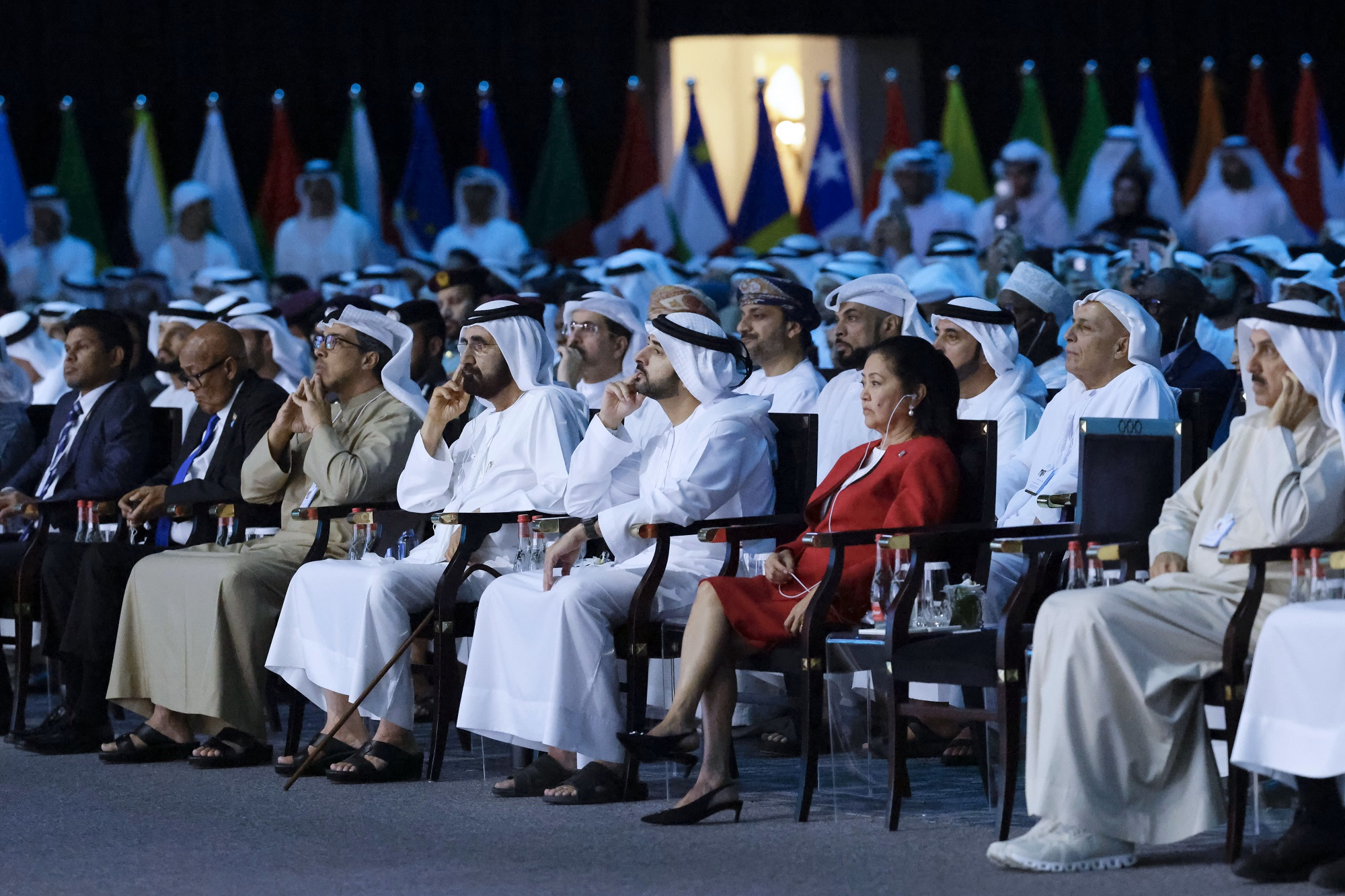
At the World Governments Summit (WGS) 2025, His Highness Sheikh Saif bin Zayed Al Nahyan, Deputy Prime Minister and Minister of Interior, delivered a powerful keynote address that underscored the UAE’s unwavering commitment to its global responsibilities. Speaking in the presence of His Highness Sheikh Mohammed bin Rashid Al Maktoum, Vice President and Prime Minister of the UAE and Ruler of Dubai, Sheikh Saif emphasized that the UAE’s credibility is rooted in its ability to consistently fulfill its promises.
“Credibility is established when promises are consistently fulfilled,” he stated. “This is the credibility for which President His Highness Sheikh Mohamed bin Zayed Al Nahyan is known. This is the credibility of the UAE.”
From its inception, the UAE has been built on the vision of its founding fathers, the late Sheikh Zayed bin Sultan Al Nahyan and Sheikh Rashid bin Saeed Al Maktoum. Their legacy of integrity and foresight has propelled the UAE to become one of the safest and most prosperous nations globally, ranking high in entrepreneurship, economic stability, and passport strength.
Why Credibility Matters in Global Leadership
In an era where trust in institutions is often questioned, the UAE’s consistent delivery on its commitments sets a benchmark for global leadership. This credibility has enabled the UAE to forge strong international partnerships, attract significant foreign investments, and position itself as a hub for innovation and technology.
Investing in Human Capital and Technology
Sheikh Saif highlighted the UAE leadership’s focus on investing in human capital and advancing technology as key drivers of the nation’s global standing. Under the visionary leadership of Sheikh Mohammed bin Rashid, the UAE has attracted over $135 billion in foreign investment over the past seven years and emerged as a global leader in artificial intelligence (AI), ranking fifth in the AI Index.
“The UAE’s achievements are not just about economic growth,” Sheikh Saif noted. “They are about creating a sustainable future for generations to come.”
Actionable Insights for Governments
- Prioritize Education and Training: Invest in programs that equip citizens with skills for the future, such as AI, robotics, and renewable energy.
- Foster Innovation Ecosystems: Create environments that encourage startups and tech companies to thrive through funding, mentorship, and infrastructure.
- Promote Sustainability: Integrate sustainability into national strategies to ensure long-term economic and environmental resilience.
The UAE’s Humanitarian Leadership
Sheikh Saif also underscored the UAE’s role as a global humanitarian leader. Under the directives of President Sheikh Mohamed bin Zayed, the UAE launched Operation Gallant Knight 3, one of the largest relief efforts in the region, providing over AED800 million in aid to Gaza—accounting for 42% of total international aid.
Since its formation, the UAE has invested over AED360 billion in humanitarian initiatives, reflecting its commitment to alleviating suffering and promoting global stability.
Lessons for Global Humanitarian Efforts
- Swift Response: Act quickly in times of crisis to provide immediate relief and support.
- Collaborative Efforts: Partner with international organizations to maximize impact.
- Sustainable Solutions: Focus on long-term solutions that address the root causes of humanitarian crises.
Lessons from History: Building on Civilizational Knowledge
Reflecting on history, Sheikh Saif drew parallels between the UAE’s approach and the wisdom of past civilizations. He noted how the Umayyad and Abbasid eras leveraged existing knowledge and cultural diversity to build thriving societies. Similarly, the UAE has embraced diversity and innovation to achieve its current success.
“When Al Andalus fell, knowledge was transferred to the West, which seized the opportunity to expand and establish global influence,” he said. “Today, we must learn from history and ensure that our achievements are rooted in sustainability and inclusivity.”
Key Takeaways from Historical Insights
- Embrace Diversity: Leverage cultural and intellectual diversity to drive innovation.
- Learn from the Past: Study historical successes and failures to inform future strategies.
- Adapt and Evolve: Stay agile and responsive to global changes and challenges.
Technological Shifts and the UAE’s Rise
Sheikh Saif addressed the transformative impact of technology on global power dynamics. He highlighted how the UAE, once a pearl exporter, has risen to the top of global indices through strategic investments in technology and human capital.
“Technology has become borderless, reshaping global power dynamics,” he said. “The UAE’s rise is a testament to the power of vision, determination, and relentless pursuit of progress.”
Strategies for Navigating Technological Shifts
- Invest in Emerging Technologies: Focus on AI, blockchain, and renewable energy to stay ahead of the curve.
- Build Resilient Economies: Diversify economic sectors to mitigate risks from market fluctuations.
- Empower Youth: Equip the next generation with the skills and opportunities to lead in a tech-driven world.
Key Takeaways and FAQs
Key Takeaways
- The UAE’s credibility is built on its consistent fulfillment of promises, setting a benchmark for global leadership.
- Investments in human capital and technology are central to the UAE’s success and sustainability.
- The UAE’s humanitarian efforts reflect its commitment to global stability and prosperity.
- Historical insights and technological adaptability are key to navigating future challenges.
FAQs
Q: What is the significance of the UAE’s credibility in global leadership?
A: The UAE’s credibility fosters trust, strengthens international partnerships, and attracts investments, positioning it as a global leader.
Q: How has the UAE become a leader in technology?
A: Through strategic investments in AI, innovation ecosystems, and human capital development, the UAE has risen to the top of global tech indices.
Q: What lessons can other nations learn from the UAE’s humanitarian efforts?
A: Swift response, collaboration, and sustainable solutions are key to effective humanitarian leadership.